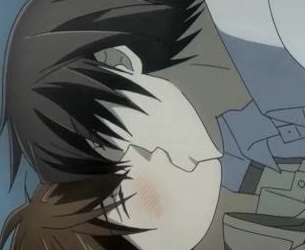
There’s a kind of ache that comes with remembering older anime and doujinshi. Not the big studio stuff that still gets remasters and Blu-rays, but the rough-edged, half-forgotten works that lived on CDs, VHS tapes, and late-night fansites. The ones with grainy lines and color palettes that looked like they’d been filtered through cigarette smoke. You’d find them in imageboards or tucked away in old conventions, printed on thin paper that smelled faintly of toner and dust.
What made them hit different wasn’t just the stories—it was the texture of the whole scene. Characters looked human in a way modern anime rarely allows: asymmetrical faces, weird anatomy, stray pencil marks that survived cleanup. You could tell someone drew it, by hand, probably while sitting at a cramped desk surrounded by reference books and instant ramen cups. Every frame carried the trace of a person, not a pipeline.
Old doujinshi had that same personal touch. The covers were sometimes off-center. The proportions were inconsistent. But they had soul. You’d see a circle’s take on a popular series and it felt like stepping into someone’s private interpretation of love, lust, and obsession. Even when the print quality was terrible, the emotion came through. The shading might be patchy, the tones messy, but the feeling was clear.
There was also the hunt—the quiet thrill of finding a zip file on a dead link, or flipping through boxes at a con and finding something unscanned, unnamed. It felt like being part of a secret network, one built on shared fascination and effort. No algorithms. No endless digital feeds. Just word of mouth and curiosity.
Now everything’s cleaner, faster, easier to get—but that ease took something with it. The messiness, the patience, the imperfections that made older anime and doujinshi feel alive. Nostalgia for that era isn’t just about the art style—it’s about the sense that you were touching something handmade, fleeting, and real.